Welcome to the medarbid.org


Arbitration vs Mediation: Key Differences

Arbitration and mediation are litigation alternatives that help disputing parties resolve conflicts without going to court. Both involve a neutral third party, but their roles and outcomes differ.
Arbitration is a formal process where an arbitrator reviews evidence, applies the law, and issues a decision, which can be either binding or non-binding. Binding arbitration is legally enforceable, whereas non-binding arbitration allows parties to seek court resolution if they are unsatisfied. This method is often chosen for complex disputes that require a structured resolution.
Mediation, on the other hand, focuses on dialogue. A mediator facilitates discussions but does not make decisions. The goal is to help parties reach a voluntary agreement, making it an ideal choice for disputes involving long-term relationships, such as family or business matters.
While both aim to resolve disputes efficiently, arbitration provides a legal ruling, whereas mediation emphasizes collaboration and mutual agreement.
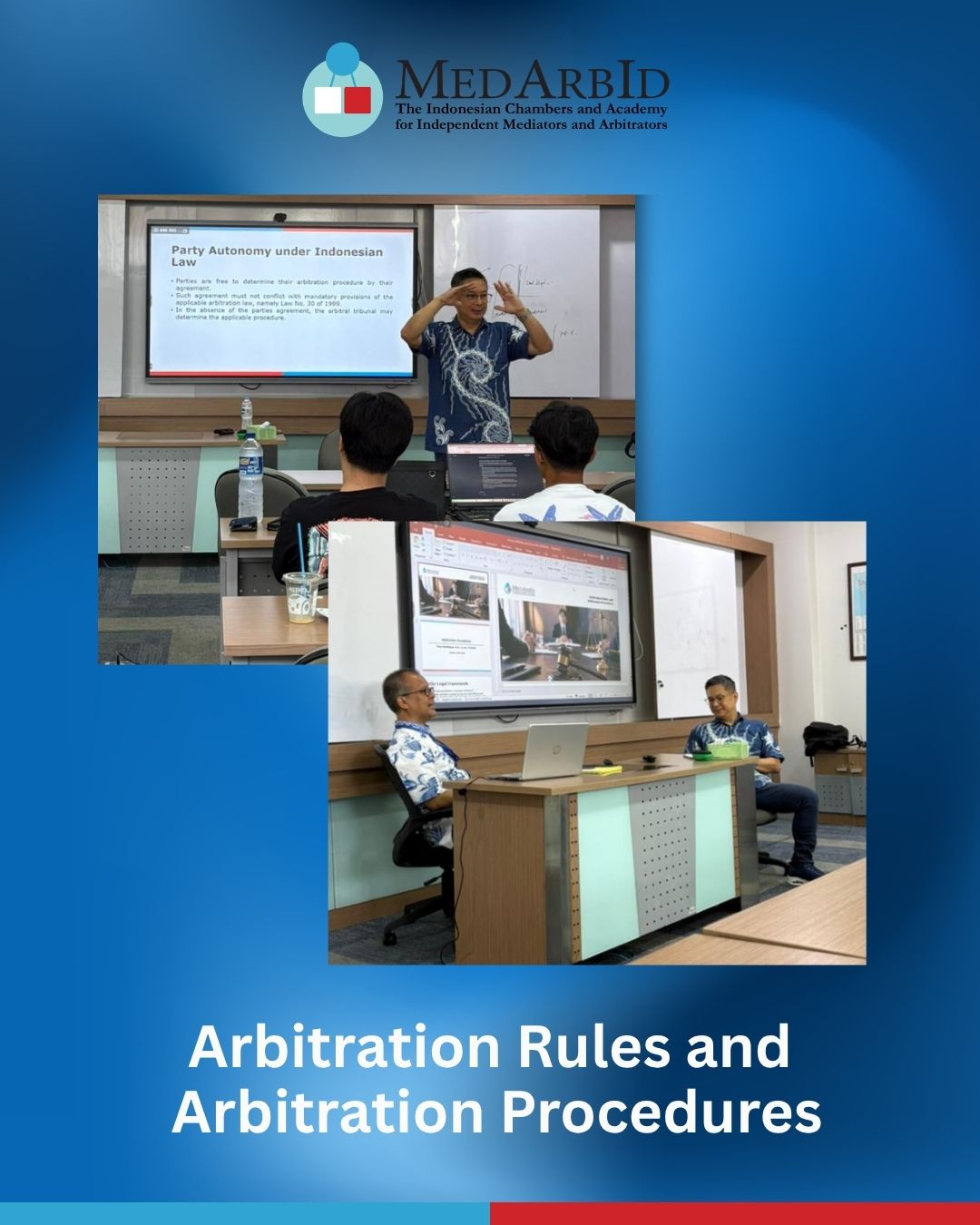
For those interested in alternative dispute resolution, MedArbId offers arbitration and mediation training, held at the beginning and end of the year. Stay tuned to our social media for updates on upcoming training sessions.